
A fictional sample contractor dispute report to demonstrate our ranking power and visibility.
Please don’t be intimidated by the length of this report; you will not be asked to write all of this. In a real case, a homeowner like Megan would submit her story in her own words, upload a few key pieces of evidence, and answer a short set of follow-up questions from our AI about dates, payments, permits, and what the contractor actually did. From there, we turn that raw information into a clear, structured report, very close to what you see here—organizing the timeline, highlighting the money trail, and screening for obviously risky wording—while keeping the homeowner’s facts intact and adding neutral context that helps search engines recognize it as a helpful, honest contractor dispute.
My Complaint About Pacificwind Kitchen & Bath LLC – Evergreen Falls, Washington

"I did my research, why wasn't there online reports about this company? I've got to warn my neighbors about them?"
A fictional sample contractor dispute report to illustrate what a detailed, evidence-backed complaint can look like for a kitchen remodel.
TL;DR – $15,900 Deposit Paid, Kitchen Left Torn Apart
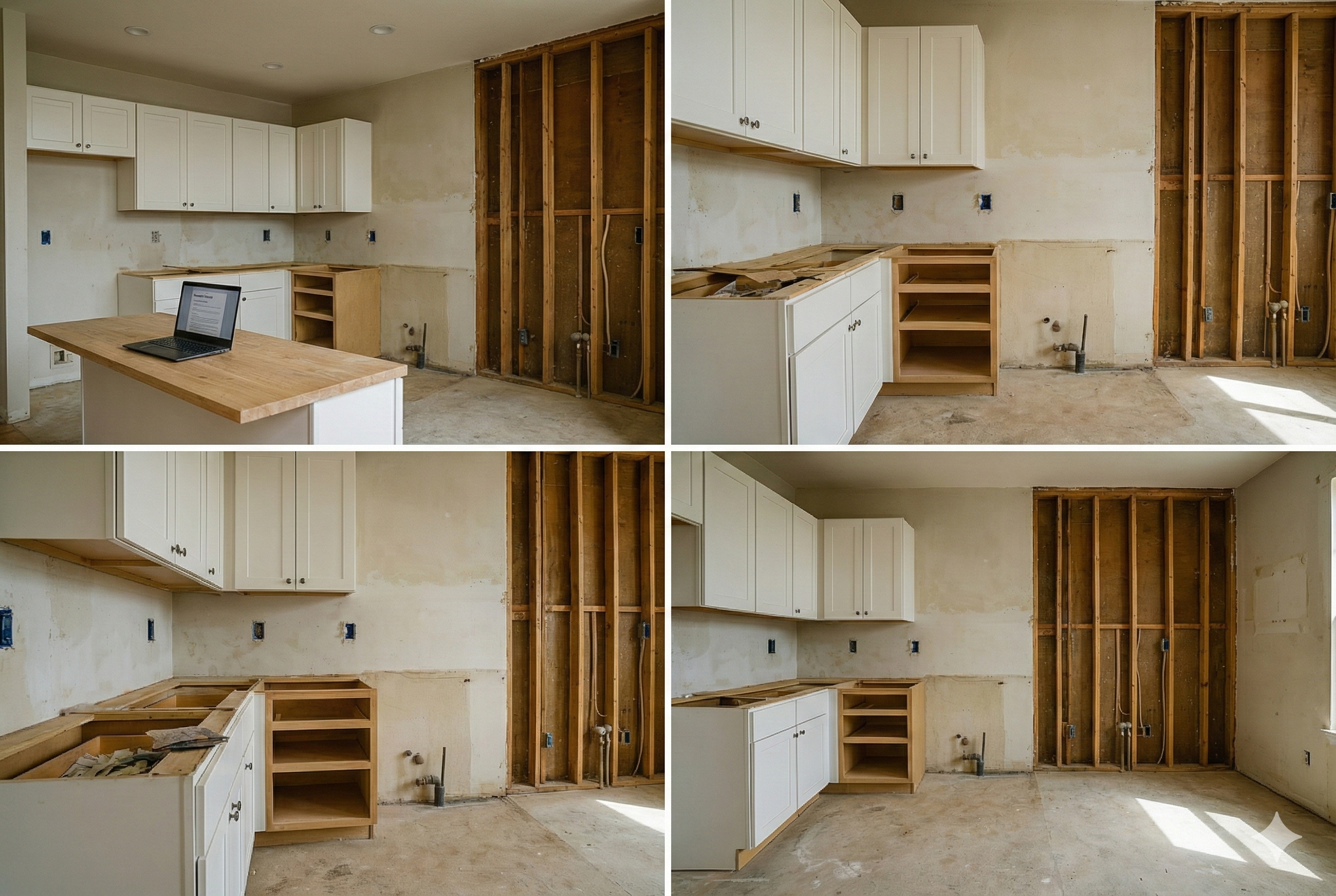
In early 2024, a homeowner in Evergreen Falls, Washington (“Megan R.”) signs a home-improvement contract with Pacificwind Kitchen & Bath LLC for a $31,800 full kitchen remodel. The written contract requires a 50% deposit of $15,900 at signing. Pacificwind demolishes the existing kitchen and does limited rough-in work, then a pattern of missed appointments, vague excuses, and silence sets in. Months later, Megan is still living with an unusable kitchen—open stud walls, exposed wiring, and an unfinished subfloor—while she tries to find a new remodeling contractor willing to take over the project. The dispute over the $15,900 deposit and incomplete work remains unresolved.
This is my avatar in this video.
Remodel Dispute Summary – Deposit Paid, Project Stalled
Remodel Dispute Summary – Deposit Paid, Project Stalled
Contractor: Pacificwind Kitchen & Bath LLC, Evergreen Falls, Washington
Business Type: Residential home-improvement contractor specializing in kitchen remodels
Primary Issue: Non-performance, missed milestones, and incomplete work after a large deposit
Amount in Dispute: $15,900 (paid; substantial work not completed)
Project Location: Evergreen Falls, Washington
Homeowner: “Megan R.” (pseudonym; a real report could use a full name or initials)
Project Type: Full kitchen remodel – demolition, cabinets, countertops, flooring, lighting, plumbing, and permitting
This type of kitchen remodel dispute sits in an uncomfortable middle ground: too large to shrug off, but too complex and costly for many homeowners to pursue through full-scale litigation. That’s exactly where a detailed, evidence-driven contractor complaint can create visibility and a public record for neighbors and future customers.
How This Evergreen Falls Kitchen Remodel Went Wrong – Timeline Of Events
Initial Contact And Contract
In March 2024, Megan sees an online ad for “Pacificwind Kitchen & Bath – On-Time Kitchen Renovations.” The ad emphasizes that Pacificwind is “licensed, bonded, and insured” and “committed to delivering kitchens on schedule.”
After an in-home consultation, Pacificwind provides a written estimate for $31,800, covering:
- Demolition and haul-away
- New cabinets and countertops
- Updated electrical circuits and recessed lighting
- New plumbing for the sink, dishwasher, and refrigerator
- New flooring
- City permitting and inspections
The home-improvement contract calls for a 50% deposit of $15,900 due at signing, with remaining payments tied to rough-in completion and substantial completion. Megan pays two bank transfers totaling $15,900, and Pacificwind emails receipts confirming payment.
Early Progress
In the first two weeks, things look normal for a remodel. Pacificwind:
- Demolishes the old kitchen
- Removes cabinets and countertops
- Pulls up sections of flooring
- Starts limited electrical and plumbing rough-in
The disruption is significant but expected, and Megan assumes the construction schedule is on track.
Pattern Shift – Delays And Excuses
Then the pattern changes. Crews cancel the morning of scheduled workdays, and several days at a time pass with no one on-site and no proactive explanation.
Common excuses include:
- “Truck issues”
- “Crew out sick”
- “Supplier delays”
- “Inspection backlog”
Despite multiple requests, no updated written schedule is provided. Megan also notices that no permit card is posted at the property.
When she checks the city’s online permitting portal under her address, she cannot find any active building, electrical, or plumbing permits associated with this kitchen remodeling project.
Four Months Later
By July 2024—about four months after signing—Megan is cooking on a hot plate in the dining room. The kitchen has:
- Open stud walls
- Exposed wiring
- A partially torn-up subfloor
Some rough-in work appears to have started but not been finished. At the same time, Pacificwind is still advertising “on-time kitchen remodels” in local search results and on social media.
Megan sends a detailed email demanding either:
- A revised, written schedule with specific dates and milestones, or
- A partial refund reflecting incomplete work and missing permits.
Responses from Pacificwind are still vague: promises to “get a crew out next week,” references to “supply-chain issues,” and general statements about “caring about customer satisfaction”—but no documented permits, no inspection records, and no firm schedule.
At this point, a homeowner like Megan may decide the situation is not just a delay, but a serious contractor performance problem that needs to be documented and reported.
Evidence That Supports The Complaint Against Pacificwind Kitchen & Bath LLC – Evergreen Falls, Washington
Although this scenario is fictional, it reflects the kinds of evidence that matter in real home-improvement and contractor disputes in Washington State.
Written Contract And Scope Of Work
- Signed home-improvement contract showing total price, scope, payment schedule, and estimated timeline
- Clauses stating that the contractor is licensed, bonded, and insured
- Language assigning responsibility for permits and inspections
- Any written “on-time” or “completion” guarantees
Payment Records
- Bank transfer confirmations for the $15,900 deposit
- Receipts or invoices that match those payments
- Any documentation of promised refunds, partial refunds, or refusals to refund
Message Trail (Emails, Texts, Portals)
- Emails discussing scheduling, delays, and reasons for cancellations
- Text messages where the contractor cancels appointments, promises new dates, or blames suppliers or inspectors
- Written attempts by the homeowner to request a revised schedule, ask for proof of permits, or request a partial refund
Photos And Videos Of The Worksite
- Time-stamped photos of demolition, exposed wiring and plumbing, open walls, and the unfinished subfloor
- Photos or short videos showing that the kitchen remains in a similar condition weeks or months after payment
- Images documenting potential safety concerns (for example, loose wiring near the sink area)
How I Tried To Resolve This Issue
Once it was clear Pacificwind was not following the schedule we agreed to, I didn’t immediately jump to lawsuits or regulators. I tried repeatedly to resolve the contractor dispute directly.
First, I sent polite texts and emails to my project contact at Pacificwind, asking for a simple updated construction schedule in writing: dates when crews would be on-site, what they would complete, and when my kitchen would be usable again. I kept all of those messages and their replies. Most responses were short excuses—“truck problems,” “crew out sick,” “waiting on materials”—but nothing I could actually plan around.
When days turned into weeks, I sent a longer email laying everything out: the date I signed the contract, the $15,900 deposit, the dates crews actually worked, and photos of my half-demolished kitchen. In that same email, I gave them two clear options:
- A written, detailed schedule with specific dates and milestones, or
- A partial refund that reflected how little work had actually been completed.
I made it clear that if we couldn’t resolve this contractor dispute, I was prepared to file formal contractor complaints with Washington State L&I, the Washington Attorney General’s Office, and the Better Business Bureau (BBB).
I gave them a reasonable deadline to respond.
While I waited, I went to the Washington State Department of Labor & Industries (L&I) website to confirm Pacificwind’s contractor registration, bond, and insurance and to see if there were any obvious red flags or prior problems. I also checked the city’s permitting portal under my address to see whether any building, electrical, or plumbing permits had actually been pulled. I couldn’t find anything active.
When I still wasn’t getting a firm schedule or any proof of permits, I sent a more formal letter by email and certified mail, summarizing the situation and asking again for either a real plan or a partial refund. In that letter, I explained that if we couldn’t resolve this, I was prepared to file:
- A complaint with Washington State L&I about contractor performance
- A consumer complaint with the Washington Attorney General’s Office
- A complaint with the Better Business Bureau (BBB)
That letter finally got a response—but it was more of the same: vague assurances about “wanting to make it right,” promises to “get a crew out soon,” and still no permits, no inspection records, and no documented schedule.
By that point, I was exhausted. I had money tied up, an unlivable kitchen, and a contractor who kept advertising being “licensed, bonded, and insured” and “on-time,” while my home told a different story. That’s when I started treating this as a serious contractor dispute and documenting everything as if I might need it for state agencies, small-claims court, or a detailed public complaint report.
Lessons Learned Working With Pacificwind Kitchen & Bath LLC
Looking back, there are several lessons I wish I had understood before I signed a $31,800 kitchen remodel contract and handed over a $15,900 deposit to Pacificwind Kitchen & Bath LLC.
1. Verify “Licensed, Bonded, and Insured” Yourself
Seeing “licensed, bonded, and insured” on a contractor’s website or truck isn’t enough. In Washington State, you can check a contractor’s registration, bond, and insurance directly with Washington State Labor & Industries (L&I) and review any enforcement history. Next time, I will verify all of this before I sign anything or pay a deposit.
2. Never Allow Major Demolition Before Permits Are Clearly In Place
Pacificwind said they would “handle permits,” but I never saw a permit card on-site, and I didn’t check the permitting system until things were already going wrong. In the future, I won’t allow demolition or major structural or electrical work until I can see active permits under my address and understand which inspections are required.
3. Tie Payments To Real Milestones, Not Just Percentages
My payment schedule put 50% down at signing and the rest at rough-in and substantial completion. In reality, that meant Pacificwind had most of my money right after demolition, with far less incentive to stay on schedule. In future contracts, I’ll insist on smaller deposits and clearly defined draws tied to pass-fail milestones—for example, after specific inspections or documented stages of completed work.
4. Don’t Underestimate The Emotional Toll
I went from being excited about a new kitchen to feeling sick every time I walked past the exposed wiring and bare studs. I lost sleep wondering if I’d ever see my money again. I felt embarrassed for trusting the marketing and online reputation, and angry that Pacificwind kept advertising “on-time kitchen renovations” while my kitchen sat half-destroyed for months. The stress, anxiety, and disruption to family life were as real as the financial loss.
5. Act Sooner When You See A Pattern
The first cancelled workday felt like bad luck. By the third or fourth set of excuses, I should have recognized a pattern of non-performance and started putting serious deadlines and consequences in writing. Waiting and hoping they would “get back on track” only made the financial, practical, and emotional damage worse.
If there’s one overall lesson from my experience with Pacificwind Kitchen & Bath LLC, it’s this: don’t rely only on polished ads, nice showrooms, or a handful of star ratings. Verify licenses and bonding through Washington L&I, confirm permits before demolition, structure payments around verifiable milestones, and pay close attention to how a contractor behaves once they’ve been paid. The red flags were there in how Pacificwind handled scheduling, communication, and permits; I just didn’t recognize them soon enough—lessons that apply to almost any homeowner dealing with a residential remodeling contractor in Washington State.
About This Example And DisputeVoice
This report is a fictional example created by DisputeVoice, an independent consumer-protection publishing platform. The names, dates, locations, and dollar amounts used here are illustrative and are not about any real person or company. Real DisputeVoice reports are based on information and evidence submitted by individual users—typically homeowners and consumers documenting contractor, remodeling, service, or investment disputes—and contributors are asked to support key claims with documentation wherever possible (contracts, invoices, payment records, emails, text messages, photographs, etc.). Our editorial focus is on clarity, accuracy, and tone, and on keeping each report grounded in evidence rather than speculation or personal attacks. No two reports are exactly alike: some are short and tightly focused; others include detailed timelines and ongoing updates. Our mission is to help people tell a truthful, evidence-backed story about their experience and give that story the best possible chance to appear where future customers will actually see it when they search for a contractor’s or company’s name. DisputeVoice does not provide legal advice, does not represent users in any legal capacity, and does not independently decide whether anyone has committed wrongdoing; named individuals and businesses are invited to respond, provide their side of the story, and upload their own documents, and when verified corrections, clarifications, settlements, or official outcomes are provided, reports can be updated or annotated so readers see both the dispute and how it was resolved.
Activate My Lighthouse Report Here
A $197 offer
We will never sell your information or spam you.